
IN 1968 MILLIONS OF SQUIRRELS SUDDENLY CROSSED THE UNITED STATES
In 1968, millions of squirrels suddenly moved across the United States: the cause is only now being understood.
Scientists estimate that 20 million squirrels took part in the mass migration.
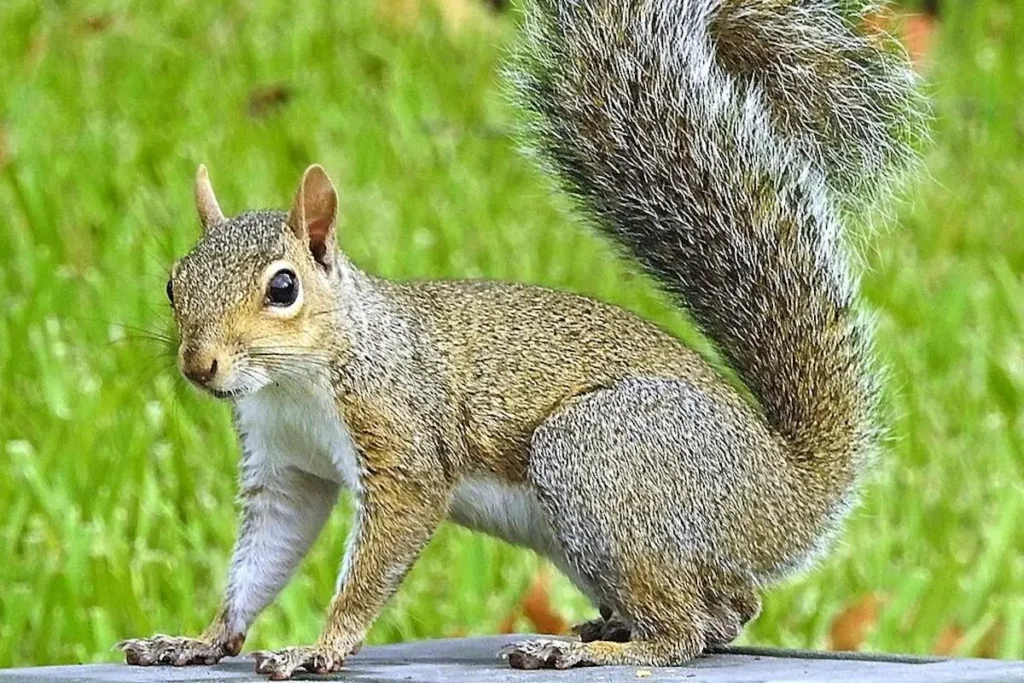
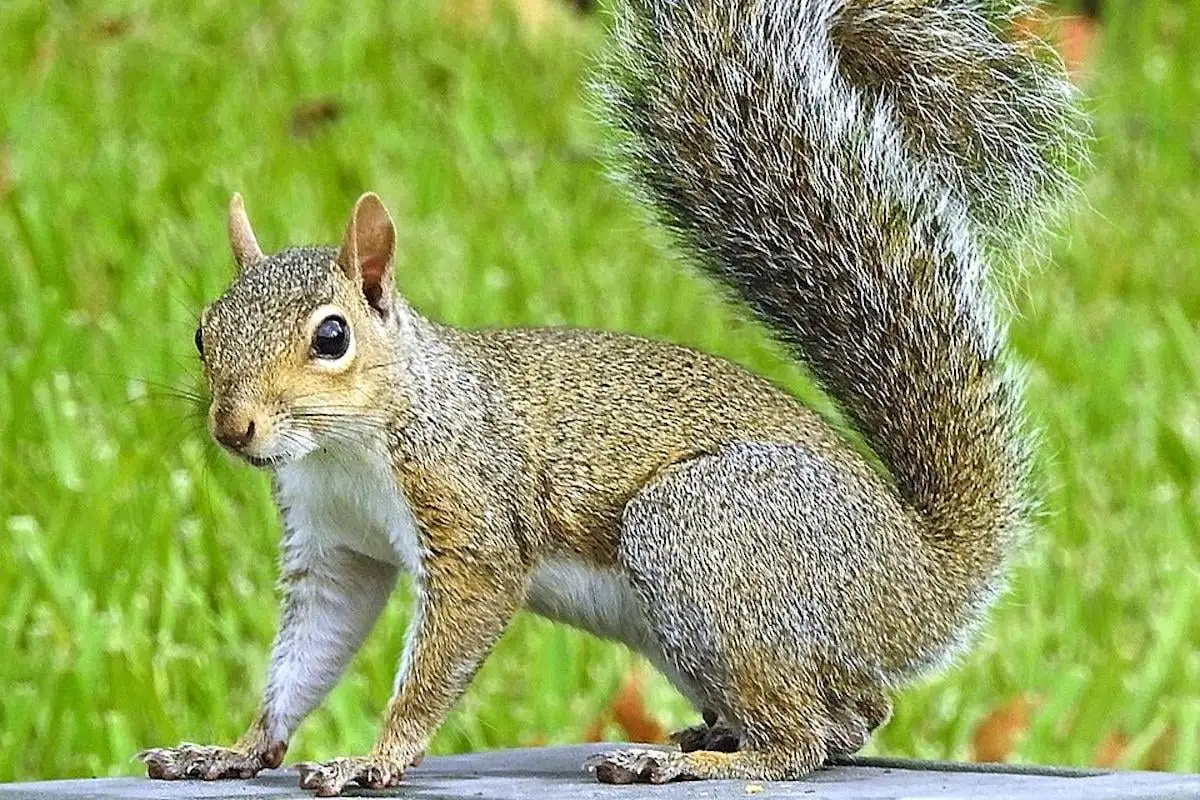
In the fall of 1968, an unusual phenomenon was recorded in the eastern United States: millions of gray squirrels, seemingly without cause, began a mass migration. The animals crossed highways, entered buildings, and even attempted to swim across lakes and reservoirs, according to the Times of India .
The scale of this phenomenon was astonishing: scientists estimate that approximately 20 million individuals may have participated in the mass migration. Zoologists believe that one possible cause of the mass migration was a food shortage following a decline in oak yields.
Acorns are an important food source for eastern gray squirrels. However, their yield varies significantly from year to year. A season of abundant acorns can be followed by a period of scarcity, forcing the animals to seek food outside their natural habitat.
To determine the causes of the 1968 event, scientists analyzed acorn yields from five oak species in the Asheville, North Carolina, area. The study covered the period from 1962 to 1973.
The analysis revealed that the relationship between weather and tree fruiting is complex. Specifically, warmer springs and summers were associated with reduced acorn production in several oak species studied. However, the response depended on the tree species and its developmental stage.
The researchers also found signs that a bountiful harvest one year may be followed by a significantly poorer one the following season. This may be due to the trees needing time to replenish their resources after intensive seed production.
According to the researchers, a large supply of acorns facilitates the survival and reproduction of squirrels. However, when food shortages occur after this period, competition intensifies, forcing the animals to travel long distances in search of food.
At the same time, scientists do not claim that a single weather anomaly directly caused the migration of millions of squirrels in 1968. Rather, they argue that several factors—weather conditions, changes in oak fruiting, and food shortages—could have combined to produce this unusual natural phenomenon.