


BESİDES TUNA WHICH FOODS CONTAIN OMEGA 3 7 HEALTHIEST OPTIONS
Which foods besides tuna contain omega-3? 7 of the healthiest foods named
Omega-3 is essential for heart, brain and eye health.
Omega-3s are polyunsaturated fatty acids that offer a number of benefits, including supporting heart health . However, there are many other foods from which you can get these nutrients, writes Verywell Health .The publication explained that there are three main types of omega-3. The first is ALA (alpha-linolenic acid). It is found primarily in plant foods, particularly flaxseed, walnuts, and chia seeds. In the body, some ALA is converted into small amounts of EPA and DHA, but this is usually not enough to meet the recommended DHA intake.
The second type, EPA (eicosapentaenoic acid), is found primarily in fatty fish. It helps reduce inflammation and, according to Massachusetts General Hospital , may support heart health. The third type, DHA (docosahexaenoic acid), is also found primarily in fatty fish. It supports brain and eye health, and during pregnancy, it is essential for fetal brain development.
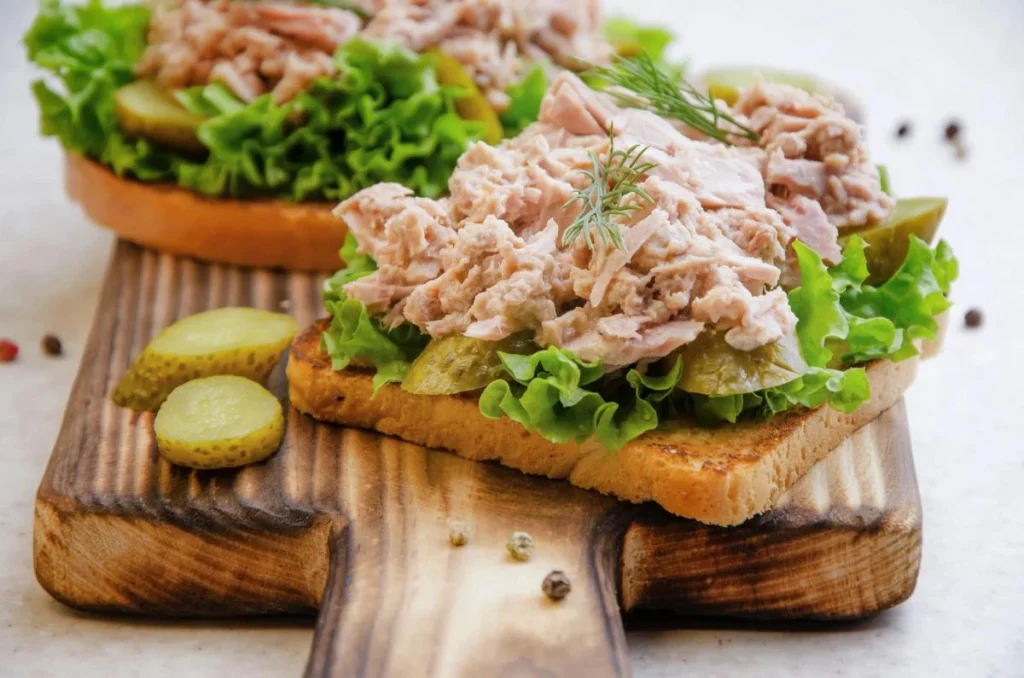
It is noted that 85 grams of tuna contains approximately 170 milligrams of docosahexaenoic acid (DHA) and 20 mg of eicosapentaenoic acid (EPA). However, the publication claims that there are other foods from which you can get these omega-3s.
According to the U.S. Food and Drug Administration , the amount of EPA and DHA in salmon can vary depending on where and under what conditions the fish was raised, as well as its diet. 85 grams of cooked farmed Atlantic salmon contains approximately 1,240 mg DHA and 590 mg EPA. The same amount of cooked wild Atlantic salmon contains approximately 1,220 mg DHA and 350 mg EPA.As the article notes, farmed salmon typically has more EPA and DHA than wild salmon, but this is not always the case.
2. Mackerel
The omega-3 content of 85g of cooked Atlantic mackerel is 590mg DHA and 430mg EPA.As the publication emphasized, some types of mackerel, particularly king and Spanish mackerel, may contain higher levels of mercury, so pregnant and breastfeeding women, as well as young children, should avoid these types of fish.
3. Herring
An 85-gram serving of cooked Atlantic herring contains 950 mg DHA and 770 mg EPA. The article notes that it contains less mercury than many other types of fish.4. Sardines
85 grams of sardines contain about 740 mg of DHA and 450 mg of EPA, which help support heart and brain health, the publication writes.5. Walnuts
28 g of walnuts contain 2570 mg of ALA.According to a study published in the journal Antioxidants , this product is a rich source of polyunsaturated fatty acids, the only one among nuts. They also contain protein and fiber.
However, they are high in calories, so nutritionists advise monitoring portion sizes.
6. Flax seeds
One tablespoon of flaxseed contains 2,350 mg of ALA. It can be eaten whole or ground, but the publication notes that ground flaxseed provides more omega-3s. This is because grinding breaks down the hard seed coat, making the ALA more readily available for absorption.
At the same time, ground flaxseeds become more sensitive to oxidation. To maximize their benefits, the publication recommends grinding them immediately before consumption and not storing them for long periods after grinding.Flax seeds also contain nutrients such as fiber, vitamin B1, copper, phosphorus, magnesium, manganese, and lignans.
The article recommends consuming 2 tablespoons of flaxseed per day. If you haven’t eaten flaxseed before, you should increase the amount gradually.
7. Chia seeds
Chia seeds contain 5,000 mg of ALA per 28-gram serving. They also contain fiber, protein, calcium, magnesium, phosphorus, vitamins A, B, K, E, and D, as well as antioxidants.Chia seeds absorb liquid and form a gel-like mass. They can absorb up to 12 times their own weight in water.